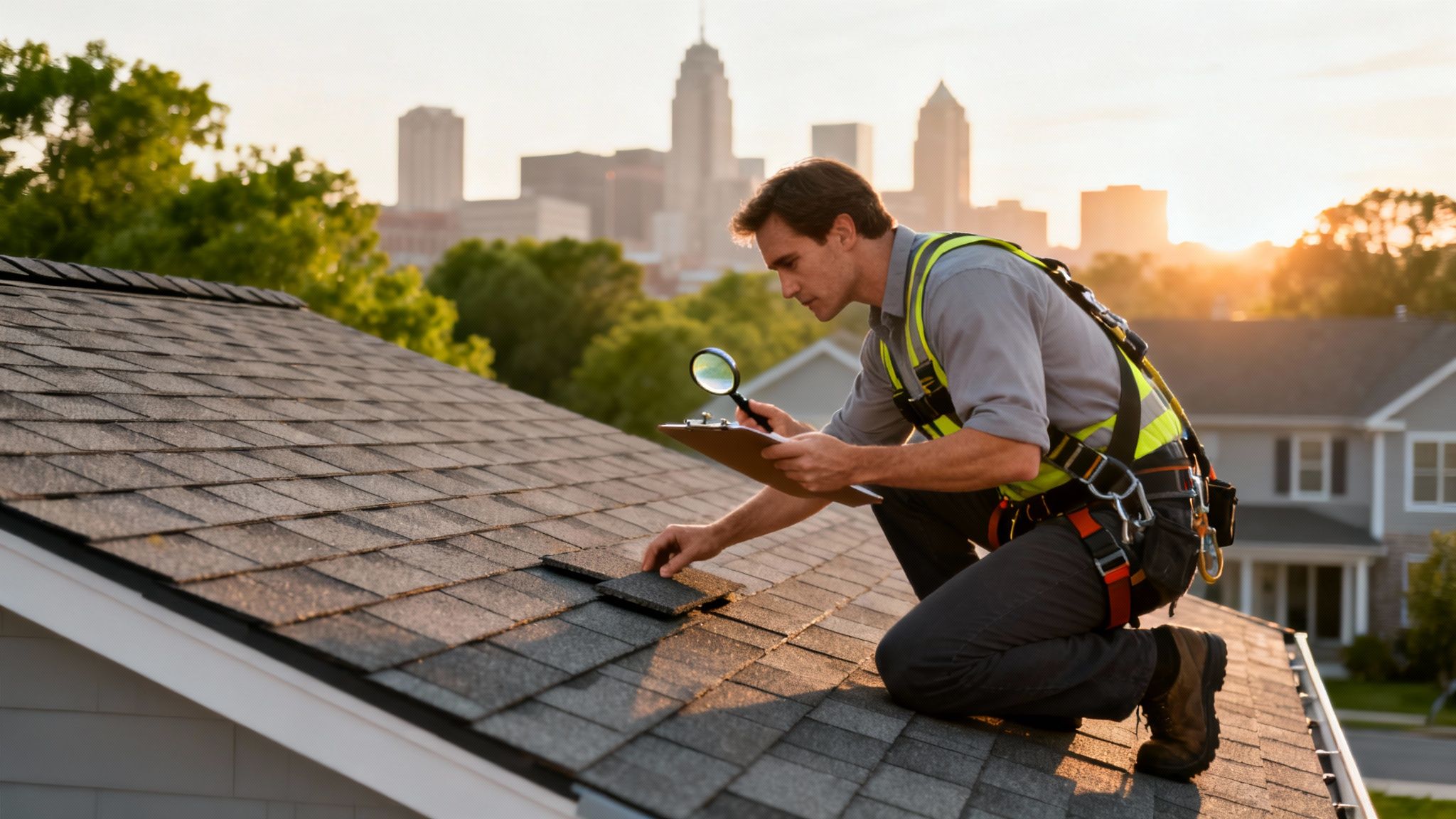
Your roof is your property’s first line of defense against the elements, but it’s often overlooked until a leak appears. For homeowners and business owners in Birmingham and central Alabama, waiting for a problem is a costly mistake. The regional climate, from intense summer sun and humidity to sudden hail storms, puts constant stress on roofing materials. A small, hidden issue today can become a catastrophic failure tomorrow, leading to thousands of dollars in damages.
The key to prevention isn’t just reacting to problems; it’s about proactively identifying them before they escalate. This is where professional roof inspections come in. They aren’t an expense; they are a strategic investment in your property’s longevity, safety, and financial stability. This article breaks down the tangible benefits of regular roof inspections, showing you exactly how this simple practice saves significant time, money, and stress.
We will explore how routine checks can extend your roof’s lifespan, support insurance claims, maintain your warranty, and enhance your property’s overall value. By understanding these advantages, you can move from a reactive to a proactive mindset, safeguarding your most valuable asset. Let’s dive into the crucial reasons why a scheduled inspection should be a non-negotiable part of your property maintenance plan.
1. Benefit 1: Early Detection of Damage and Leaks
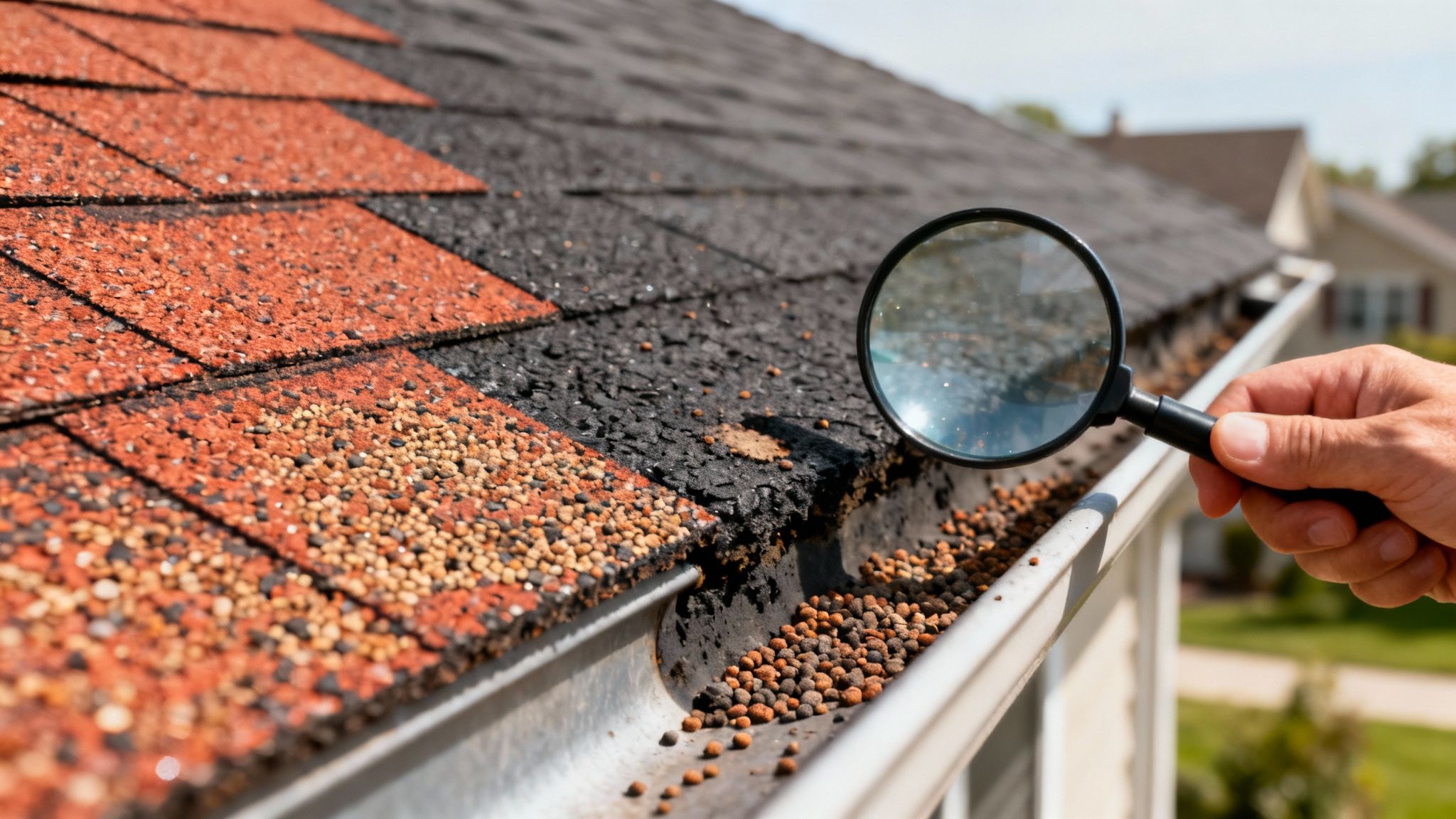
One of the most significant benefits of regular roof inspections is the ability to catch minor issues before they escalate into catastrophic, expensive failures. From the ground, your roof might look perfectly fine, but a professional inspector can identify subtle signs of wear and tear that are invisible to the untrained eye. These can include everything from cracked sealant around vents to granular loss on shingles, which are early indicators of your roof's aging process.Practical Scenarios
- Residential Example: A Birmingham homeowner schedules a routine spring inspection. The technician from Higher Roof Solutions discovers a small section of lifted shingles damaged by a winter storm. For a minimal cost, the shingles are replaced, preventing a major attic leak that could have caused thousands in water damage during the next heavy rain.
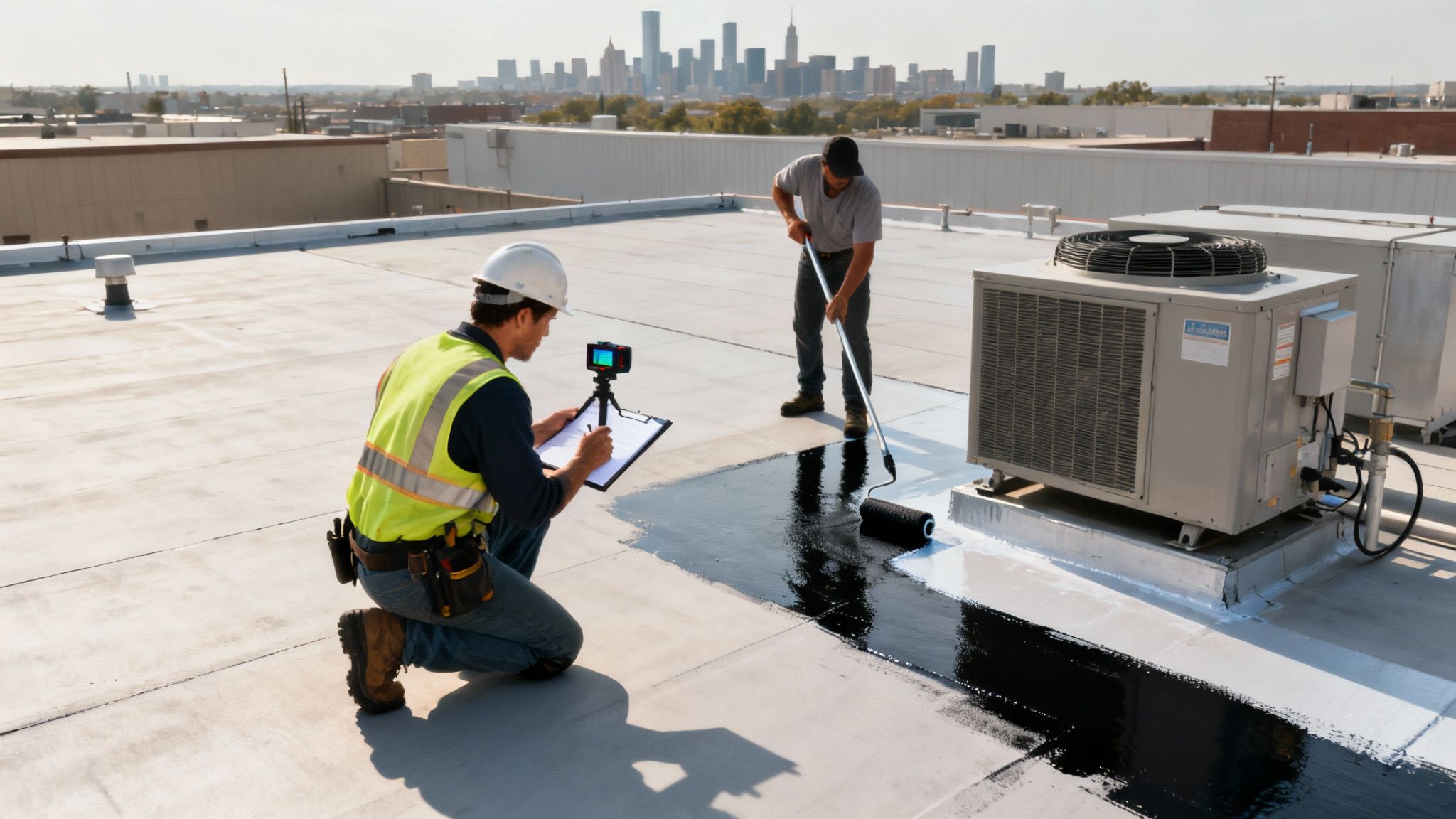
- Commercial Example: The facility manager for a commercial property in central Alabama notices minor discoloration on a ceiling tile. An inspection reveals that the flashing around an HVAC unit has begun to deteriorate. This early detection allows for a targeted repair, avoiding business disruption and costly interior repairs that a significant leak would have caused.
Actionable Tips for Property Owners
To maximize the value of your inspections, follow these steps:- Schedule Proactively: Book inspections in the spring and fall to assess any damage from the previous season's harsh weather.
- Request Photo Evidence: Always ask your inspector for detailed, high-resolution photos of any noted issues. This creates a visual record of your roof's condition.
- Maintain Records: Keep a dedicated file with all inspection reports and repair invoices. This documentation is invaluable for insurance claims and warranty validation.
2. Extended Roof Lifespan
A roof is a significant investment, and one of the key benefits of regular roof inspections is maximizing its service life. Consistent, proactive maintenance allows you to address minor wear and tear before it leads to cumulative damage, which can prematurely age your roofing system. By preventing small issues from spiraling, you can help your roof meet or even exceed its manufacturer-rated lifespan, saving thousands on a premature replacement.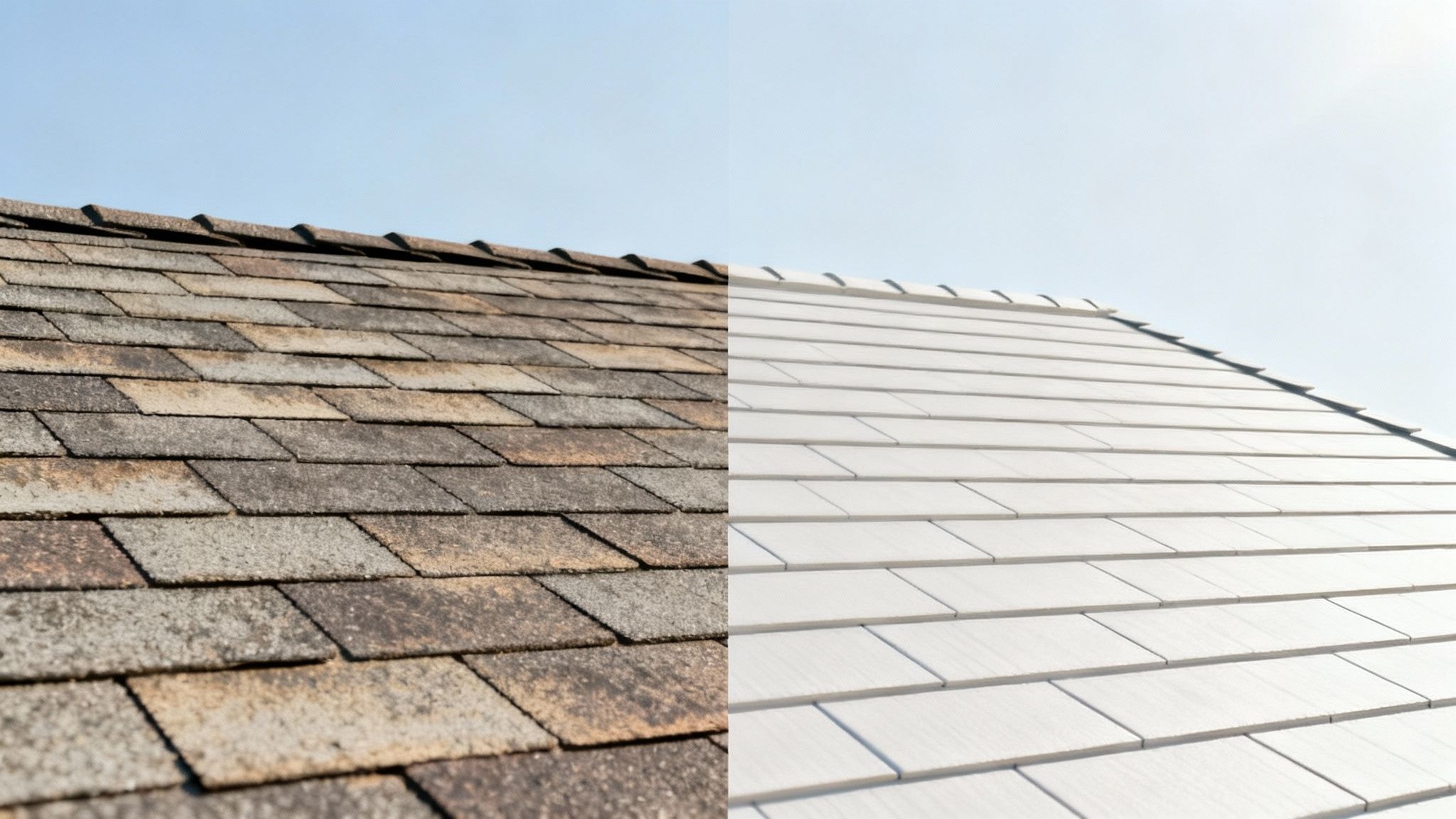
Practical Scenarios
- Residential Example: An asphalt shingle roof in Birmingham, typically expected to last 15-20 years, reaches its 25th year in excellent condition. The homeowner credits this longevity to bi-annual inspections from Higher Roof Solutions, which caught and repaired minor shingle damage and sealant issues over the years, preventing water intrusion and widespread deterioration.
- Commercial Example: A facility manager implements a proactive roof inspection program for a commercial building. Over three decades, minor repairs to the membrane and flashing are documented and addressed. This meticulous record helps the roof perform effectively for 35 years, well past its original 30-year warranty, delaying a major capital expenditure.
Actionable Tips for Property Owners
To help extend your roof's lifespan, consider these proactive steps:- Establish a Schedule: Commit to a consistent inspection schedule, either annually or bi-annually (spring and fall), to stay ahead of seasonal damage.
- Act on Repairs Immediately: Do not delay minor repairs. A small, inexpensive fix today prevents a large, costly problem tomorrow.
- Keep Detailed Records: Maintain a log of all inspections, maintenance activities, and repairs. This documentation is crucial for warranty claims and proves a history of proper care.
- Know Your Materials: Follow the specific maintenance recommendations from the manufacturer of your roofing materials, whether they are asphalt shingles, metal panels, or a commercial membrane.
3. Cost Savings on Emergency Repairs
One of the most compelling benefits of regular roof inspections is the significant long-term financial savings. Proactive maintenance is always more cost-effective than reactive emergency repairs. A minor issue, like a cracked pipe boot or a small area of missing shingles, might only cost a few hundred dollars to fix when caught early. If left unaddressed, that same minor issue can lead to catastrophic water damage, resulting in tens of thousands of dollars in repairs for structural framing, insulation, drywall, and mold remediation.The core principle is simple: paying a small, predictable amount for an inspection and minor repairs prevents a massive, unexpected expense later. A roof leak doesn’t just damage the roof; it compromises your entire property from the attic down. By investing in routine checks, you are essentially purchasing insurance against the high cost and extreme stress of an emergency roof failure.
Practical Scenarios
- Residential Example: A homeowner in Birmingham pays for a $300 inspection, which uncovers compromised flashing around the chimney. The necessary repair costs an additional $400. Two months later, a severe thunderstorm hits the area. Without the repair, the homeowner would have faced an estimated $18,000 bill for water damage, attic restoration, and ceiling replacement.
- Commercial Example: A property manager schedules an annual inspection for a commercial building. The inspector identifies a poorly sealed ventilation unit that is quietly allowing moisture into the roof assembly. This early intervention prevents a widespread leak that could have caused over $150,000 in damage to inventory, equipment, and structural components, not to mention business downtime.
Actionable Tips for Property Owners
To leverage inspections for maximum cost savings, consider these strategies:- Create a Maintenance Fund: Based on your roof's age and inspection findings, set aside a small budget for anticipated repairs. This turns potential emergencies into manageable expenses.
- Get Multiple Bids: If your inspection report recommends repairs, get quotes from at least two reputable contractors to ensure you are getting a fair price for quality work.
- Document Everything: Keep detailed records of all inspection reports and repair invoices. This documentation can be useful for tax purposes and future insurance claims.
- Prioritize Repairs: Use the inspection findings to create a prioritized list of repairs, addressing the most critical issues first to prevent the most expensive potential damage.
4. Insurance Coverage and Claims Support
Another one of the critical benefits of regular roof inspections is the powerful documentation they provide for insurance purposes. When a storm or unexpected event damages your roof, your insurance company will want proof that the damage was sudden and not the result of pre-existing issues or neglect. A consistent history of professional inspections serves as undeniable evidence of your roof's condition before the incident.This documentation can be the deciding factor between a fully approved claim and a frustrating denial. Insurers are more likely to process claims quickly and favorably for homeowners and property managers who can demonstrate proactive maintenance. Having detailed reports and photos on file streamlines the entire claims process, proving that you have been a responsible property owner.
Practical Scenarios
- Residential Example: A Birmingham homeowner's roof is damaged by hail. They submit their claim along with the past two years of inspection reports from Higher Roof Solutions, which clearly show the roof was in excellent condition. Their $8,000 claim is approved within ten days, while a neighbor without records faces delays and a potential denial due to "wear and tear."
- Commercial Example: A facility manager in central Alabama implements a documented annual roof inspection program. They submit the maintenance records to their insurance provider and successfully negotiate a 10% reduction in their annual premium, saving the company thousands of dollars by demonstrating a lower risk profile.
Actionable Tips for Property Owners
To leverage your inspections for insurance benefits, follow these steps:- Share Reports Proactively: After each inspection, provide a copy of the report to your insurance agent to keep them updated on your roof's condition.
- Inquire About Discounts: Ask your insurance provider directly if they offer premium discounts for properties with a documented, professional roof maintenance program.
- Demand Detailed Documentation: Ensure your inspection report includes a date-stamped photo log and a written assessment of all key components, from shingles to flashing.
- Organize Your Records: Keep all inspection reports, repair invoices, and related documents in a single, easily accessible file (digital or physical) for quick retrieval when needed.
5. Improved Property Value and Resale Potential
A well-maintained roof is one of the most critical assets of your property, directly influencing its curb appeal, structural integrity, and market value. Regular roof inspections provide documented proof of diligent upkeep, which is a powerful selling point in any real estate transaction. Buyers are often wary of hidden, costly issues, and a clean bill of health for the roof can eliminate a major point of contention during negotiations.A roof in excellent condition, verified by professional inspection reports, assures potential buyers that they won’t face an immediate, expensive replacement. This peace of mind often translates into faster sales and higher offers, making routine inspections a smart investment for any property owner considering a future sale. Proper maintenance also enhances the overall appearance of the property. For communities, effective management of shared spaces is key, and you can find essential strategies among these HOA common area maintenance tips.
Practical Scenarios
- Residential Example: A seller in Birmingham provides prospective buyers with five years of biannual inspection reports and repair invoices from Higher Roof Solutions. This transparency allows the home to sell for $15,000 more than a comparable property with an undocumented roof history, and it closes three weeks ahead of the typical market schedule.
- Commercial Example: A commercial real estate firm in central Alabama implements a proactive roof inspection program across its portfolio. During a property valuation, the documented maintenance history contributes to an 8% higher appraisal value, as it reduces the perceived risk and future capital expenditure for potential investors.
Actionable Tips for Property Owners
To leverage your roof's condition for maximum resale value, follow these steps:- Document Everything: Keep a dedicated file containing all inspection reports, maintenance records, and warranty information.
- Highlight in Listings: Explicitly mention the well-maintained roof and recent inspections in your property's online listing description to attract serious buyers.
- Schedule a Pre-Listing Inspection: Have a final inspection performed 2-3 months before listing your property to address any minor issues and present a recent, positive report.
- Provide Full Transparency: Make the complete documentation portfolio readily available to potential buyers and their home inspectors during showings.
6. Enhanced Safety for Occupants
A roof's primary function is to protect the people and assets beneath it, making occupant safety a paramount concern. Regular roof inspections are a critical safety measure, identifying structural weaknesses, ventilation problems, and other hazardous conditions that could endanger anyone inside the building. Issues like compromised structural integrity, poor ventilation leading to toxic mold, or the risk of collapse under heavy loads are often invisible until a professional assessment is performed.Neglecting these potential hazards can have severe consequences, from health problems caused by poor air quality to catastrophic structural failure. By having a professional evaluate your roof’s load-bearing capacity and overall health, you are proactively ensuring that it can safely withstand environmental stressors like heavy snow, high winds, and torrential rain, thereby safeguarding the building’s inhabitants.
Practical Scenarios
- Residential Example: During a pre-winter inspection in a residential neighborhood, a Higher Roof Solutions technician discovers that improper attic ventilation has caused moisture buildup and early-stage rot in several roof trusses. By addressing the ventilation and reinforcing the affected trusses, the homeowner avoids the potential for a dangerous roof collapse during a future heavy snowfall.
- Commercial Example: A facility manager in Birmingham schedules a routine flat roof inspection. The inspection reveals that previous, unpermitted installations have overloaded the roof's structural capacity. This crucial discovery allows the manager to remove the excess weight and reinforce the structure, preventing a potential disaster and ensuring compliance with local safety codes.
Actionable Tips for Property Owners
To prioritize safety during your roof inspections, consider these steps:- Assess Load Capacity: Specifically ask your inspector to evaluate the roof's structural and load-bearing capacity, especially if new equipment has been added.
- Evaluate Ventilation: Ensure the inspection includes a thorough check of all intake and exhaust vents to confirm proper airflow and prevent moisture and mold buildup.
- Request Safety Recommendations: Ask for a written summary of any identified safety issues and the recommended corrective actions.
- Document Concerns: Keep detailed records of any safety issues found and the repairs made. This documentation is vital for liability protection and future reference.
7. Prevention of Mold and Indoor Air Quality Problems
One of the most critical, yet often overlooked, benefits of regular roof inspections is safeguarding the health of your building’s occupants. Undetected roof leaks or inadequate attic ventilation create the perfect high-humidity environment for mold and mildew to thrive. These contaminants can compromise your indoor air quality and lead to significant health issues.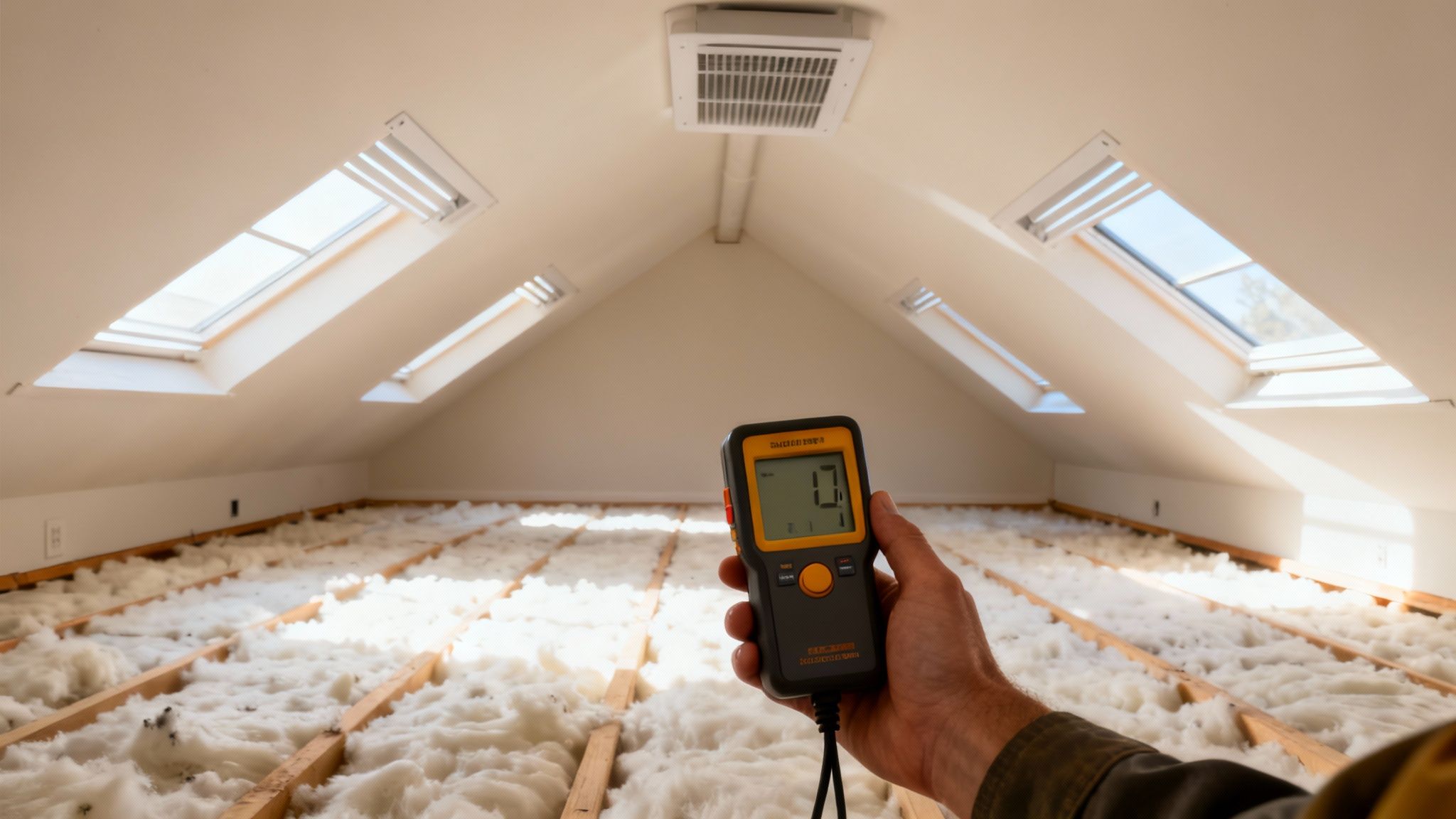
Practical Scenarios
- Residential Example: A family in Birmingham experiences persistent respiratory issues that seem to worsen at home. A thorough roof inspection from Higher Roof Solutions identifies a slow, hidden leak and poor attic ventilation causing condensation. After repairs and a ventilation upgrade, the moisture source is eliminated, and the family’s health problems significantly improve.
- Commercial Example: During a routine inspection of a commercial office building, a technician discovers early-stage mold growth on the attic sheathing near an improperly sealed vent pipe. This early detection allows for targeted treatment and sealing, preventing the mold from spreading into the HVAC system and protecting the health of dozens of employees.
Actionable Tips for Property Owners
To protect your property and its occupants from mold, follow these steps:- Request a Ventilation Assessment: Specifically ask your inspector to evaluate your attic’s intake and exhaust ventilation to ensure proper airflow.
- Monitor for Moisture: Between inspections, keep an eye out for signs of moisture like water stains on ceilings, musty odors, or visible condensation.
- Ensure Proper Drainage: Ask your inspector to confirm that gutters and downspouts are clear and directing water far away from your foundation.
- Act on Recommendations: If your inspector recommends improving ventilation or sealing a potential leak, address it promptly to prevent moisture buildup.
8. Warranty Maintenance and Manufacturer Coverage
A new roof is a significant financial investment, and the manufacturer's warranty is your primary protection for that investment. However, many property owners don't realize that these warranties often come with stipulations, the most common of which is the requirement for regular, documented maintenance and inspections. Failing to adhere to these terms can lead to a voided warranty, leaving you financially responsible for material defects that should have been covered.Regular roof inspections serve as official proof that you have upheld your end of the warranty agreement. A professional report documents the roof’s condition and any maintenance performed, ensuring you remain compliant. This simple step preserves your coverage and guarantees that if a premature failure or defect occurs, the manufacturer will honor their commitment, protecting you from thousands of dollars in unexpected replacement costs.
Practical Scenarios
- Residential Example: A homeowner in Birmingham has a 30-year architectural shingle roof installed. Five years later, a widespread granule loss issue appears. Because they have records of annual inspections from Higher Roof Solutions, their $15,000 warranty claim for defective materials is approved without issue.
- Commercial Example: The manufacturer of a commercial TPO roofing system requires biennial inspections to maintain its 20-year NDL (No Dollar Limit) warranty. A facility manager in central Alabama schedules these inspections diligently. When a seam failure is discovered, the manufacturer covers the full cost of the repair, a savings of over $8,000, because the compliance records were immaculate.
Actionable Tips for Property Owners
To ensure your warranty remains valid and effective, follow these guidelines:- Read the Fine Print: At the time of installation, obtain and thoroughly read your warranty documents. Pay close attention to the sections on maintenance and inspection requirements.
- Schedule Accordingly: Set calendar reminders to schedule inspections based on the manufacturer's specified frequency, whether it's annual, biennial, or otherwise.
- Keep Meticulous Records: Store all inspection reports, photos, and repair invoices in a secure file alongside your original warranty papers.
- Use Qualified Inspectors: Some warranties require inspections to be performed by a certified or manufacturer-authorized contractor. Ensuring you know how to choose a roofing contractor who meets these criteria is essential for compliance.
8-Point Benefits Comparison: Regular Roof Inspections
| Item | Implementation complexity | Resource requirements | Expected outcomes | Ideal use cases | Key advantages |
|---|---|---|---|---|---|
| Early Detection of Damage and Leaks | Low–Moderate; needs professional inspection skills | Professional inspection ($150–$400), moisture meters, photo documentation | Early identification of cracks, missing shingles, and leaks to prevent water infiltration | Routine seasonal checks, post-storm assessments | Prevents interior water damage, extends roof life, avoids emergencies |
| Extended Roof Lifespan | Moderate; ongoing preventive maintenance and monitoring | Annual/bi‑annual inspections, minor repairs, maintenance logs | Adds ~5–10+ years to roof life when maintained | Long‑term ownership, aging roofs, high‑value properties | Delays replacement, maximizes ROI, maintains performance |
| Cost Savings on Emergency Repairs | Low–Moderate; scheduling and timely repairs | Inspection ($200–$400), small repair budgets ($300–$1,000) vs. large restoration costs | Reduces chance of costly emergency restorations ($5k–$50k+) | High‑risk climates, older roofs, limited budgets | Lower total repair costs, predictable budgeting, fewer surprises |
| Insurance Coverage and Claims Support | Low; requires organized documentation and submission | Professional reports and photos, periodic inspections per insurer | Stronger claim approvals, possible premium discounts (≈5–15%) | Properties with active insurance policies, frequent claims | Faster claims, reduced denial risk, potential premium savings |
| Improved Property Value and Resale Potential | Low; document upkeep and pre‑sale inspections | Inspection records, certificates, targeted repairs before listing | Higher sale price and faster transactions; ~5–10% value uplift possible | Pre‑listing prep, refinancing, investor sales | Increases buyer confidence, reduces negotiation leverage |
| Enhanced Safety for Occupants | Moderate–High; structural and ventilation assessments required | Structural inspection expertise, immediate remediation resources if needed | Identifies structural weaknesses, reduces collapse and health risks | Buildings in heavy‑snow areas, commercial properties, compromised roofs | Protects occupant safety, reduces liability, ensures code compliance |
| Prevention of Mold and Indoor Air Quality Problems | Moderate; moisture and ventilation diagnostics | Moisture meters, ventilation improvements, possible remediation budget | Prevents mold growth and related health issues; avoids remediation ($5k–$30k+) | Humid climates, poorly ventilated attics, recurring moisture problems | Protects indoor air quality, prevents costly mold remediation |
| Warranty Maintenance and Manufacturer Coverage | Moderate; must meet manufacturer inspection schedules | Scheduled inspections (annual/bi‑annual), certified inspectors, record keeping | Preserves warranty validity and defect claim eligibility | New roofs under warranty, premium materials, certified installations | Maintains manufacturer coverage, supports defect claims, protects investment |
Take the First Step to a Healthier Roof Today
The evidence presented throughout this guide is undeniable. Your roof is not just a structural component; it is the primary defender of your home or commercial property against the unpredictable Alabama weather. Viewing it as a passive, "set it and forget it" asset is a costly mistake. The benefits of regular roof inspections are not abstract concepts; they are tangible, measurable advantages that directly impact your finances, safety, and peace of mind.We’ve explored how proactive inspections serve as a powerful financial tool. By catching minor issues like a few lifted shingles or a cracked pipe boot, you prevent them from escalating into catastrophic leaks that demand thousands in emergency repairs, attic remediation, and interior repainting. This preventative approach doesn’t just save you money; it actively extends the lifespan of your roofing system, pushing back the significant capital expense of a full replacement for years.
From Financial Security to Physical Safety
Beyond the balance sheet, regular inspections deliver critical value in other essential areas. They are your best defense for maintaining your homeowner's insurance policy and ensuring you have the proper documentation to support a claim after a storm. For those looking to sell, a clean inspection report is a powerful asset that can boost property value and streamline the sales process.Most importantly, a well-maintained roof is a safe roof. It protects your family, employees, or tenants from the structural dangers of water damage and the serious health risks associated with hidden mold and mildew growth. Neglecting this crucial maintenance task is a gamble with stakes far higher than just repair costs.
Key Takeaway: A roof inspection is not an expense; it is a strategic investment in the longevity, safety, and value of your property. Waiting for a visible problem to appear means you are already behind, reacting to damage that has already occurred rather than preventing it.The path to securing your property's primary defense system is straightforward. It begins not with a crisis call during a thunderstorm, but with a simple, proactive decision. Don't leave the health of your most critical asset to chance. Take control, gain clarity, and ensure your property is protected for years to come.
Ready to experience the peace of mind that comes from a professional assessment? The GAF-certified experts at Higher Roof Solutions provide comprehensive, no-obligation inspections across Birmingham and central Alabama. Schedule your free inspection today and take the first, most important step in protecting your property.