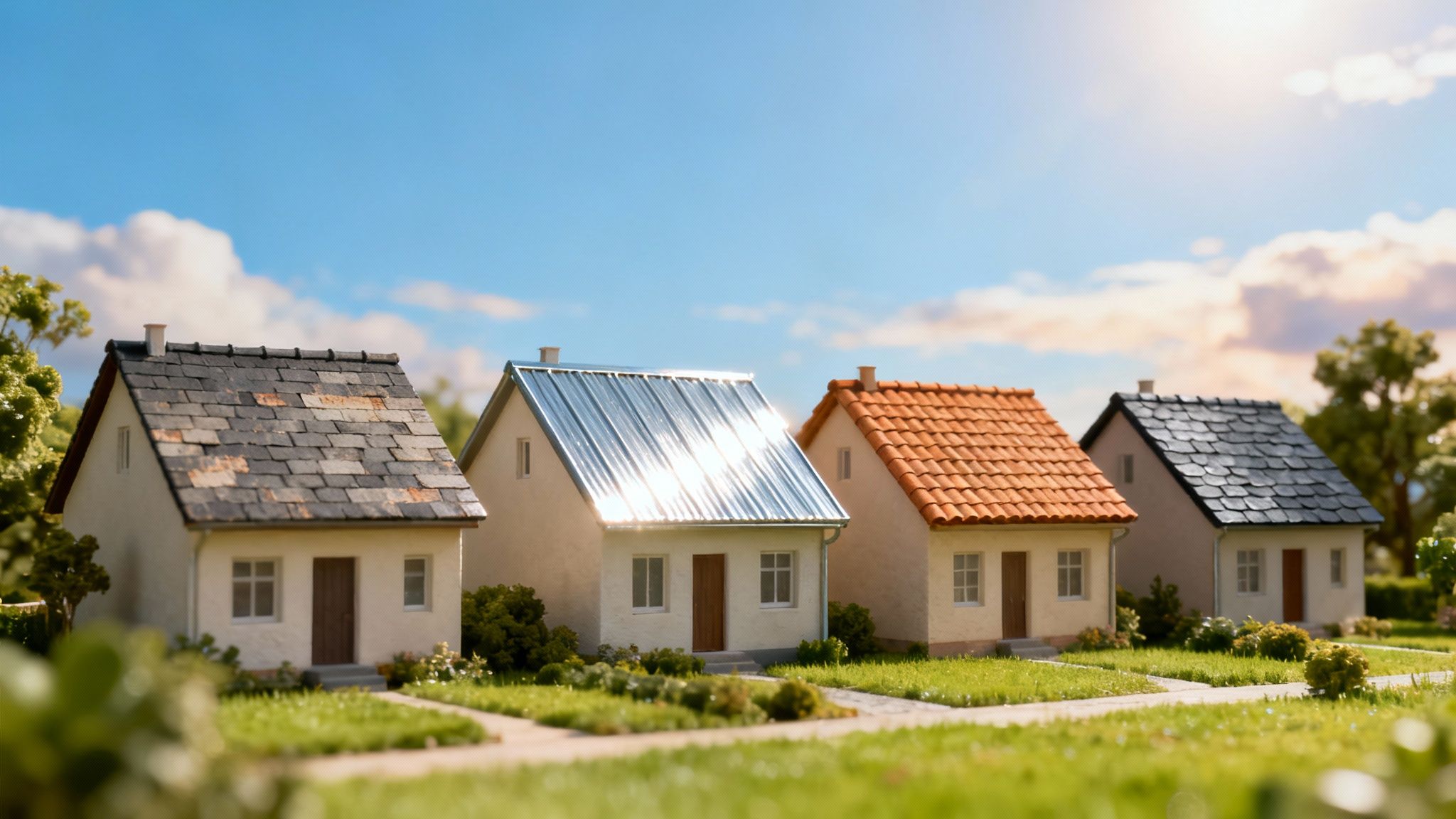
One of the first questions I always get is, “So, how long is this new roof actually going to last?” It’s a great question, and the honest answer can be anything from 20 years for basic asphalt shingles to well over 100 years for premium materials like slate. The real lifespan of your roof comes down to a handful of key factors: the material you choose, our local Alabama climate, and how well it was installed in the first place.
How Long Do Roofs Really Last?
Think of the manufacturer’s warranty as a starting point, not a guarantee. A shingle might be rated for 30 years, but that number is based on perfect, lab-like conditions. Here in Birmingham, intense UV rays, relentless humidity, and severe storm seasons can definitely shorten that timeline.
A roof's real durability is a partnership. It’s a team effort between the quality of the materials, the skill of the installers, and the consistency of the maintenance. If you drop the ball on any one of these, the roof's functional life can shrink dramatically.
Roof Material Lifespan at a Glance
To give you a solid baseline, here’s a quick rundown of the average lifespans for the most common roofing materials we see around central Alabama. This table gives you a snapshot of what to expect under normal conditions, helping you set realistic expectations for your home.| Roofing Material | Average Lifespan (Years) |
|---|---|
| Asphalt Shingles (3-Tab) | 15 - 20 |
| Architectural Shingles | 25 - 30+ |
| Metal Roofs (Steel, Aluminum) | 40 - 70 |
| Clay or Concrete Tiles | 50 - 100+ |
| Slate Roofs | 100 - 200+ |
Understanding all these variables is the first step toward protecting your investment and making sure your home stays safe and dry for decades to come.
A Deep Dive Into Roofing Materials and Durability
Think of it like picking a defender for your home. Each material has its own unique set of skills, strengths, and weaknesses. Understanding these differences is the key to getting a real answer to “how long will my roof last?”
Let’s look past the averages and get to know the personality and performance of the most common roofing options here in Alabama.
The Dependable Choice: Asphalt Shingles
There's a good reason asphalt shingles are the most popular roofing material in the country. They hit that sweet spot of affordability, easy installation, and a huge variety of styles and colors. They're the versatile workhorse of the roofing world.You’ll generally run into two main types:
- 3-Tab Shingles: These are your basic, cost-effective shingles with a flat, uniform look. They're a solid choice for homeowners on a tight budget but come with a shorter lifespan, usually around 15 to 20 years.
- Architectural Shingles: Also called dimensional shingles, these are thicker and have a layered, textured appearance that can mimic pricier materials like wood shake. That beefier construction gives them much better durability and wind resistance, pushing their lifespan up to 25 to 30 years or even more.
The Resilient Guardian: Metal Roofing
If you're looking for a serious upgrade in durability and longevity, metal roofing is a fantastic choice. It’s not just for barns and commercial buildings anymore—modern metal roofs come in sleek standing-seam panels and even profiles that look just like traditional shingles or tile.Metal’s biggest advantage is its sheer toughness. It laughs at fire, rot, and insects. It’s also brilliant at shedding rain and can handle high winds that would tear shingles to shreds. With a professional installation, a quality metal roof will easily last 40 to 70 years.
But “tough” doesn’t mean invincible. A severe hailstorm can leave dents, and if the protective coating gets scratched or damaged, some metals can be vulnerable to corrosion. Knowing the signs of a rusted metal roof is just part of smart long-term maintenance.
The Timeless Champions: Tile and Slate
When your top priority is a roof that will outlast you, tile and slate are in a league of their own. These are the heavyweights, with lifespans measured not in decades, but in generations.- Clay and Concrete Tiles: A staple in Spanish and Mediterranean architecture, these tiles are incredibly durable and completely fireproof. They won't rot or get eaten by bugs, but their weight is a huge factor. Your home's structure has to be strong enough to support the extra load. Expect 50 to 100+ years of service.
- Slate: This is the undisputed king of roofing. As a natural stone, each tile is unique, creating a stunning look with a lifespan that can blow past 150 years. It's fireproof, waterproof, and as natural as it gets.
Comparing Roofing Material Strengths and Weaknesses
Picking the right material is a balancing act between lifespan, your budget, and the specific challenges your home will face. A roof that’s perfect for a dry, mild climate might struggle in the humidity and storm-prone weather we get here in central Alabama. This table breaks down the key trade-offs to help you see the bigger picture.| Material | Lifespan (Years) | Average Upfront Cost | Key Strengths | Common Vulnerabilities |
|---|---|---|---|---|
| Asphalt Shingles | 15 - 30+ | Low to Moderate | Affordable, versatile styles, easy to repair | Granule loss, algae staining, wind uplift |
| Metal Roofing | 40 - 70 | Moderate to High | Durable, wind/fire resistant, energy-efficient | Can dent, potential for scratches and corrosion |
| Clay & Concrete Tile | 50 - 100+ | High | Fireproof, rot-proof, exceptional longevity | Heavy, can crack under impact, complex install |
| Slate | 100 - 150+ | Very High | Ultimate durability, natural beauty, waterproof | Extremely heavy, brittle, requires specialists |
How Your Local Climate Impacts Roof Longevity
Think of it this way: your roof has a health bar, just like in a video game. Every single day, our local climate lands small but consistent hits, slowly chipping away at its defenses. To keep that health bar high for as long as possible, you have to understand the specific environmental attackers your roof is up against.
The Slow Burn of the Intense Alabama Sun
The sun might seem like a friend, but for your roof, it's a relentless adversary. The constant bombardment of ultraviolet (UV) radiation is one of the biggest reasons roofs here don't last as long as they could elsewhere. This UV exposure acts like a slow-burning fuse, gradually breaking down the chemical bonds that hold roofing materials together.For the asphalt shingles on most homes, this process cooks out the vital oils that keep them flexible. The result? They become brittle, start to crack, and eventually curl up at the edges. The sun also creates a cycle of thermal shock—the daily heating and cooling that causes materials to expand and contract, weakening them bit by bit over time.
A roof in a mild, overcast climate will almost always outlast an identical one installed under the intense Alabama sun. UV radiation and extreme heat are the silent enemies that speed up the aging process for nearly every roofing material out there.One of your best defenses is proper attic ventilation. A well-ventilated attic allows all that trapped heat to escape, preventing it from literally cooking your shingles from the inside out. We've put together a guide on how to ventilate an attic that explains exactly how to protect your roof from this internal threat.
Humidity and the Threat of Organic Growth
Central Alabama's signature humidity is the perfect invitation for all sorts of organisms to make a home on your roof. Those dark streaks, green patches, or fuzzy growths you see aren't just an eyesore; they're signs of a full-blown biological assault.These unwelcome guests are actively harming your roof:
- Algae (Gloeocapsa magma): This is the culprit behind those ugly black streaks. While it won't cause your roof to collapse, it feeds on the limestone filler in asphalt shingles and traps moisture, which helps knock off the protective granules faster.
- Moss: Moss is far more destructive. Its little root systems can actually lift shingles up, creating gaps for water to sneak in. It also acts like a sponge, holding moisture right against the roof surface and encouraging rot in the wood decking underneath.
- Lichen: This tough combination of algae and fungus is notoriously hard to get rid of. Its tendrils can etch into the surface of your shingles, causing permanent pitting and making them more vulnerable to everything else.
The Brute Force of Severe Weather
While sun and humidity are slow-acting threats, our region’s severe weather delivers powerful, immediate blows. A single hailstorm or wind event can inflict more damage in an hour than years of normal wear and tear.High winds are a constant stress test, trying to lift every single shingle and panel. This repeated buffeting loosens fasteners and breaks the seals that hold everything together, leaving your roof vulnerable. When a major storm finally rolls through, those pre-existing weaknesses can lead to catastrophic failure.
Hail is the other big one. Even small hailstones hit your roof like thousands of tiny hammers. They can fracture shingles, put dings and dents in metal panels, and crack tiles. This impact damage might not cause a leak right away, but it smashes the protective outer layer of the material, which drastically shortens its effective lifespan and often makes a full replacement the only real option.
The Critical Role of Proactive Roof Maintenance
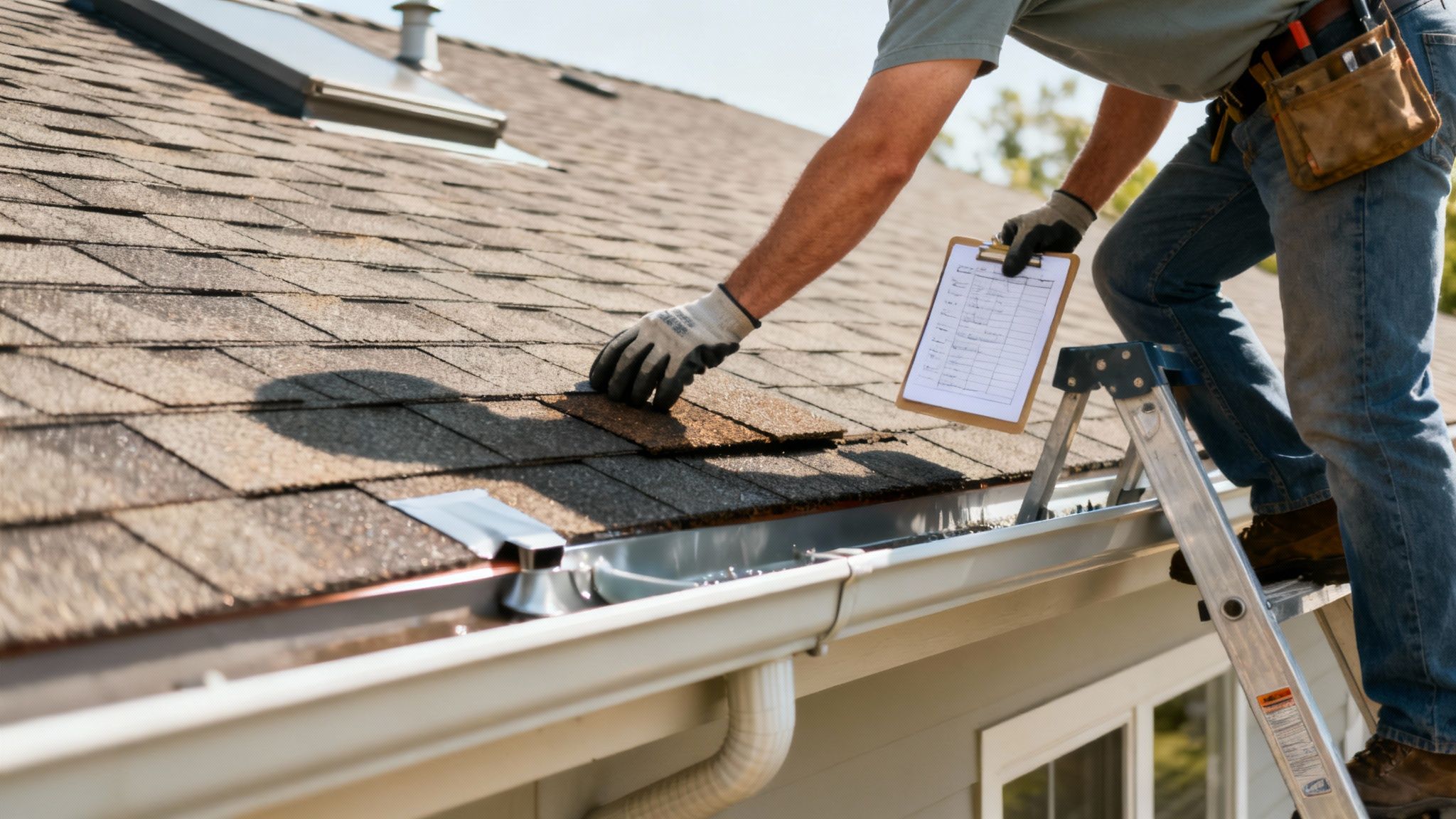
Think of it like preventative medicine for your home. Just as regular check-ups catch health issues early, routine roof inspections can stop small problems before they spiral into catastrophic failures. Neglecting your roof is a lot like ignoring your car’s check-engine light—the issue rarely fixes itself and almost always leads to a more expensive, stressful breakdown down the road.
This isn’t about climbing up on a ladder every weekend. It’s about building a simple, effective routine to keep an eye on your home’s most important shield.
Your Simple Roof Inspection Checklist
You don’t have to be a professional roofer to spot the early warning signs of trouble. A quick check twice a year—once in the spring and again in the fall—can make all the difference. From the safety of the ground or a second-story window, here’s what to look for.- Clogged Gutters and Downspouts: Your gutters are the roof's drainage system. When they're packed with leaves and debris, water has nowhere to go but back up onto the roof, where it can easily seep under shingles and start rotting the deck.
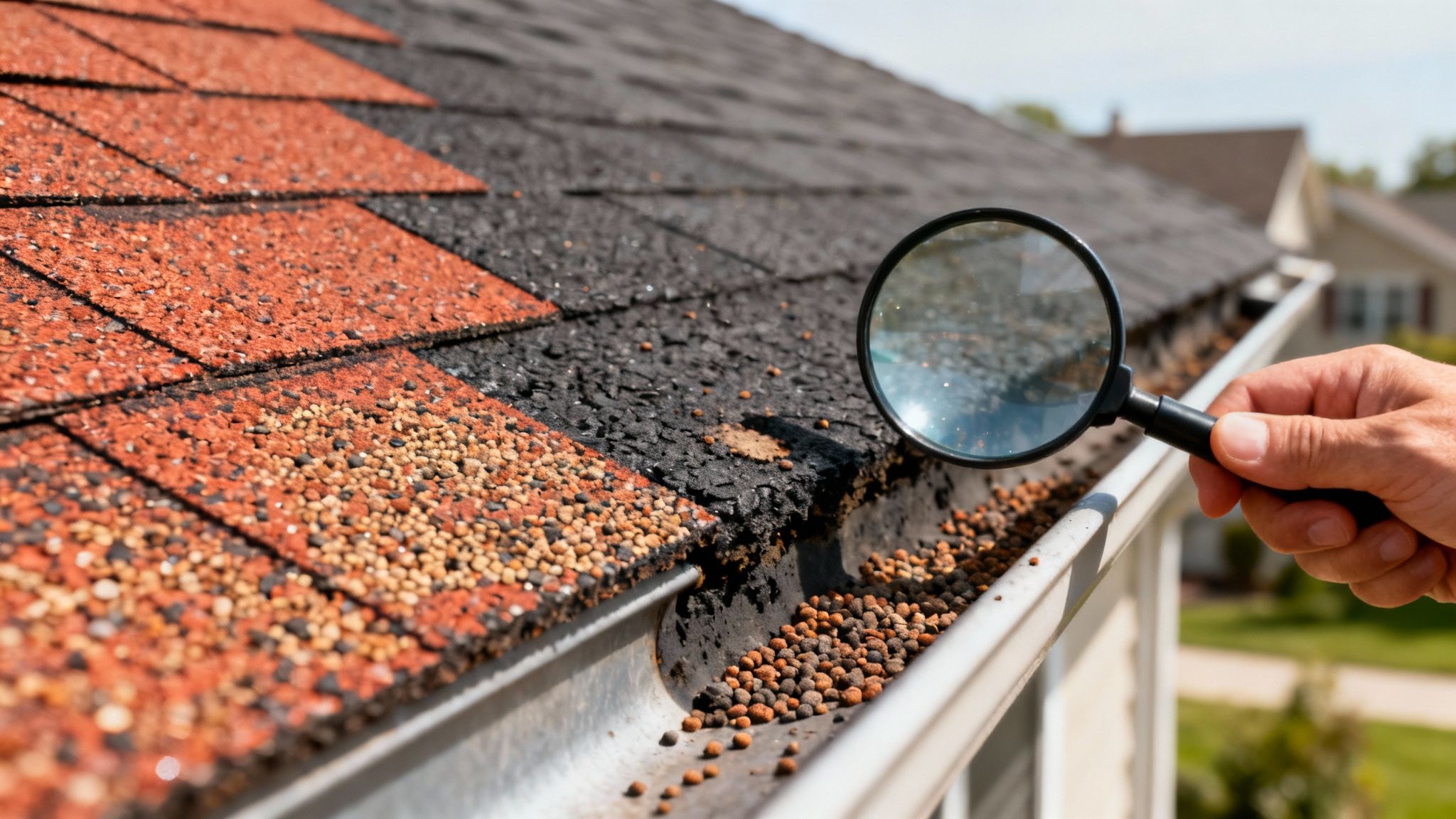
- Damaged or Missing Shingles: Scan for any shingles that look cracked, curled at the edges, or are just plain missing. These are direct entry points for water. Also, check the ground near your downspouts for an accumulation of shingle granules, which look like coarse black sand; this is a sign your shingles are losing their protective layer.
- Issues Around Flashing and Vents: Flashing is the metal stripping around chimneys, vents, and skylights. Look for any signs of rust, bent sections, or sealant that has cracked or pulled away. These are the most common spots for leaks to start.
The High Cost of Neglect
Unfortunately, many homeowners let this crucial task slide. A comprehensive survey found that a staggering 62% of homeowners nationwide didn't check their roof for common problems like damaged shingles or deteriorating sealant. The consequences are serious, as roof-related damage accounts for 70% to 90% of residential losses during major weather events.Maintenance isn't a cost—it's an investment. Every dollar spent on a minor repair or a professional cleaning today can save you hundreds, or even thousands, in premature replacement costs tomorrow.Beyond the roofing material itself, proactive maintenance also extends to anything installed on your roof. For homeowners with solar, understanding the right way of maintaining roof-mounted solar panels is vital for making sure both the panels and the roof beneath them are performing as they should.
Ultimately, maintenance puts you in the driver’s seat. It shifts the dynamic from reacting to emergencies to controlling your home’s future. By catching problems early, you not only extend the answer to “how long do roofs last” but also ensure your home stays safe, dry, and secure for years to come.
Key Signs That Your Roof Needs Replacement
Knowing your roof’s expected lifespan is one thing, but actually spotting the signs that it’s failing is a whole different ballgame. Every roof eventually gets to a point where quick fixes and patches just don’t cut it anymore. Instead of waiting for a water stain to suddenly appear on your ceiling, you can get ahead of the problem by learning to spot the tell-tale signs your roof is on its last legs.
Think of it like this: your roof is trying to tell you something. A single cracked shingle might not be a big deal, but when you start seeing the same problems popping up all over, it’s a clear signal that it’s time to start planning for a replacement.
Catching these issues early puts you in the driver’s seat. You get to schedule the work on your terms, avoiding the panic and premium costs that come with an emergency roof failure.
Widespread Shingle and Surface Damage
Often, the most obvious clues are staring you right in the face. While a few shingles might get tossed around in a bad Alabama storm, consistent and widespread damage is a much more serious problem. It’s your roof's first line of defense starting to crumble.Keep an eye out for these visual giveaways:
- Curling or Clawing Shingles: When the edges of your shingles start to curl up, or the middle begins to pop up and "claw," it's a dead giveaway of old age and heat damage. That nice, flat, watertight seal is officially compromised.
- Widespread Cracking: Over the years, asphalt shingles lose their flexibility and start to crack under the sun. These little fractures are open invitations for water to seep right through to the layers underneath.
- Bald Spots and Granule Loss: Ever notice that gritty, black sand in your gutters or at the bottom of your downspouts? Those are the protective granules that have worn off your shingles. When you see big bald patches on your roof, it means the shingles have lost their main shield against UV rays and are breaking down fast.
Evidence of Water Intrusion and Structural Issues
Sometimes, the most serious signs aren't even on the roof itself. Water is sneaky, and once it finds a path inside, it can cause all sorts of hidden damage that goes way beyond your shingles.A persistent leak is almost never a small, isolated problem. It usually points to a bigger failure in the whole roofing system—maybe the flashing has failed, the underlayment is shot, or the shingles are just completely worn out. Ignoring it is like putting a band-aid on a broken bone.Be on the lookout for these more critical red flags:
- Water Stains on Ceilings or Walls: Any discoloration on your ceiling or high up on your walls is a major warning. It's almost always a sign that water is getting in from above.
- A Sagging Roof Deck: Stand back in your yard and take a good look at the lines of your roof. If you spot any dips, droops, or sagging spots, you could have a serious structural issue with the decking, often caused by trapped moisture and rot. This is something that needs a professional's attention right away.
- Daylight Through the Roof Boards: This one is undeniable. If you go up into your attic and can see daylight peeking through the boards, you have a serious problem. If light can get in, you can bet water can, too.
So, What's Your Next Move?
You now have a solid understanding of how long a roof should last. But knowing the numbers is just the starting point—taking action is what truly protects your home. You've seen that your roof's lifespan isn't a fixed number; it’s a delicate dance between the materials on top, our wild Alabama climate, and how well you keep up with it. The power to tip the scales in your favor is officially in your hands.Waiting for a dripping ceiling to tell you there’s a problem is the most stressful and expensive way to manage your roof. A proactive approach, on the other hand, puts you in the driver’s seat. It lets you handle small issues before they become disasters and plan for an eventual replacement on your own timeline, not during a crisis.
The smartest investment you can make in your home is being proactive about its most critical shield. An annual inspection isn't a cost—it's a strategy that saves you thousands by preventing catastrophic failure down the road.
Partner with a Local Expert
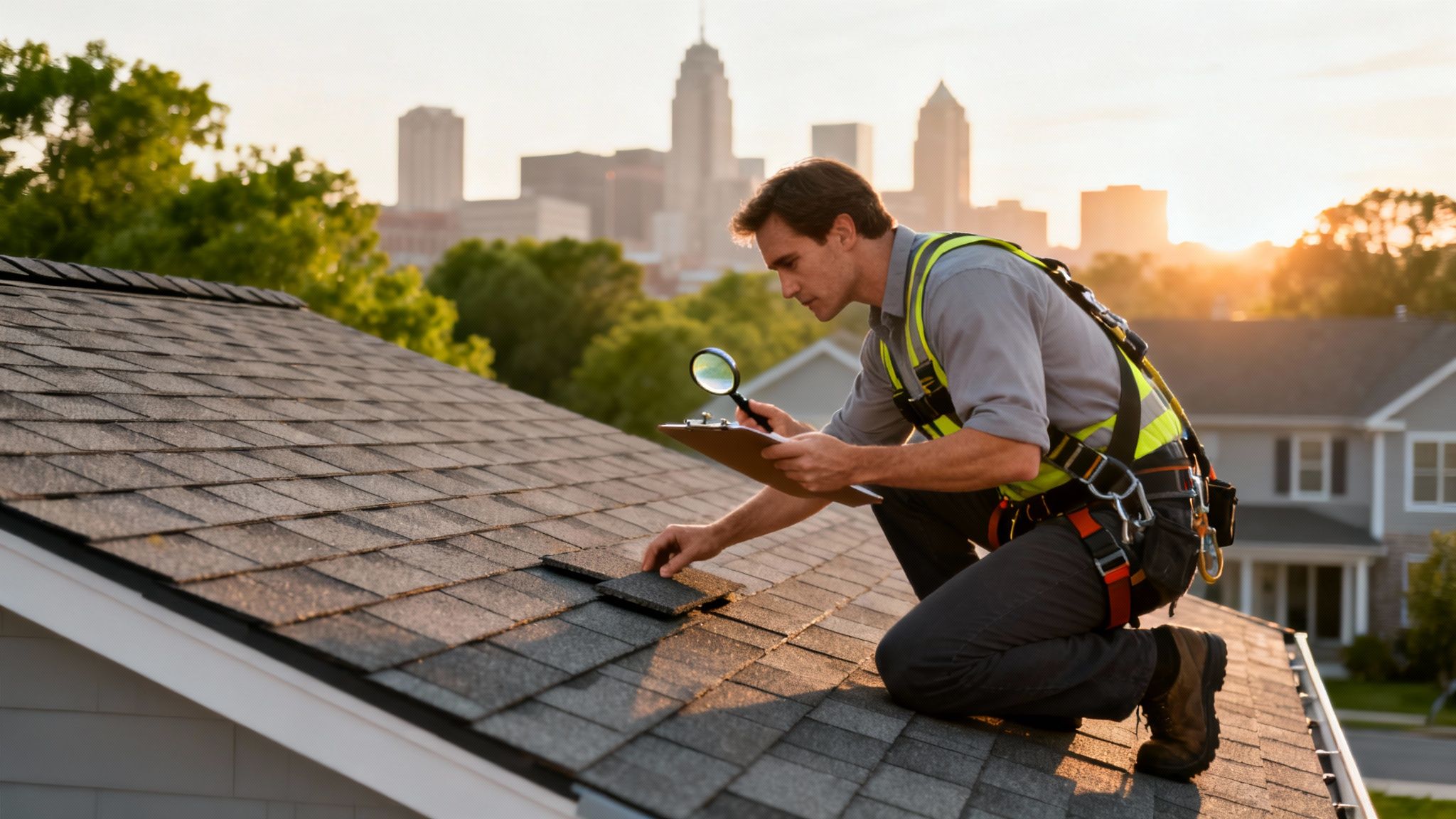
The only way to get a truly clear, honest assessment of your roof’s condition is to have a professional get up there and take a look. Here at Higher Roof Solutions, our job is to empower Birmingham homeowners with knowledge, not to pressure anyone into a sale. We keep our process straightforward and designed to give you one thing: peace of mind.It all starts with a complimentary, no-obligation inspection. One of our trained technicians will come out and perform a thorough assessment of your entire roofing system. We look at everything from the shingles and flashing to the underlying deck and ventilation. We’ll document what we find and give you a clear, easy-to-understand report on your roof’s health.
Based on that detailed evaluation, we’ll outline a clear path forward.
- If your roof is in great shape: We'll recommend a simple maintenance plan to keep it that way.
- If we find a few minor issues: We can map out targeted repairs to get more years out of it.
- If your roof is nearing the end of its life: We’ll provide a transparent, detailed estimate for a replacement, with zero pressure.
Contact us today to schedule your free inspection and take the first real step toward a secure and reliable roof.
Answering Your Questions About Roof Lifespans
Thinking about your roof's future naturally brings up a lot of questions. From costs to warranties, getting straightforward answers is the first step toward making a smart decision for your home. Let's tackle some of the most common things we hear from homeowners.Can I Put a New Layer of Shingles Over My Old One?
Technically, yes, you can sometimes put one new layer of asphalt shingles over an old one—it's called a "recover." But honestly, we almost never recommend it.Think of it like putting a fresh coat of paint over a rotten board. The new shingles might hide underlying problems like soft or damaged roof decking. It also adds a ton of extra weight to your home’s structure and, more often than not, will completely void the warranty on your brand-new shingles. A full tear-off is the right way to do it, giving you a clean slate and ensuring your new roof lasts as long as it should.
How Does My Roof Warranty Actually Work?
This is a big one. Your roofing warranty is usually split into two parts. First, you have the manufacturer's warranty, which covers defects in the shingles or materials themselves. Then there's the contractor's workmanship warranty, which covers any mistakes made during the actual installation.It's crucial to know that these warranties aren't unconditional. Things like poor attic ventilation, improper installation, or—you guessed it—layering new shingles over old ones can void the manufacturer's warranty in a heartbeat. That leaves you holding the bag if something goes wrong.
Will Homeowners Insurance Cover a Roof Replacement?
Homeowners insurance is there for the unexpected. It will typically cover a roof replacement if the damage was sudden and accidental, like from a hailstorm, a fire, or high winds from a tornado.What it absolutely will not cover is a replacement needed because the roof is just old, worn out, or hasn’t been maintained. Insurance sees that as the homeowner’s responsibility. This is exactly why getting regular inspections is so important; you can catch small issues before they become major problems that insurance won’t touch.
How Much Does a New Roof Cost on Average?
This is the million-dollar question, isn't it? The truth is, the cost of a new roof is all over the map. It really depends on the size and steepness of your roof, the material you pick (asphalt is the most budget-friendly, while options like slate or metal are on the premium end), and local labor rates.Nationally, you could be looking at anywhere from $6,700 to well over $20,000. The only way to get a real number for your specific house is to have a trusted local contractor come out, get on the roof, and give you a detailed, written estimate.
Ready to get a clear, honest assessment of your roof’s condition? The expert team at Higher Roof Solutions provides complimentary, no-pressure inspections to help you understand your options and plan for the future. Schedule your free inspection with Higher Roof Solutions today!