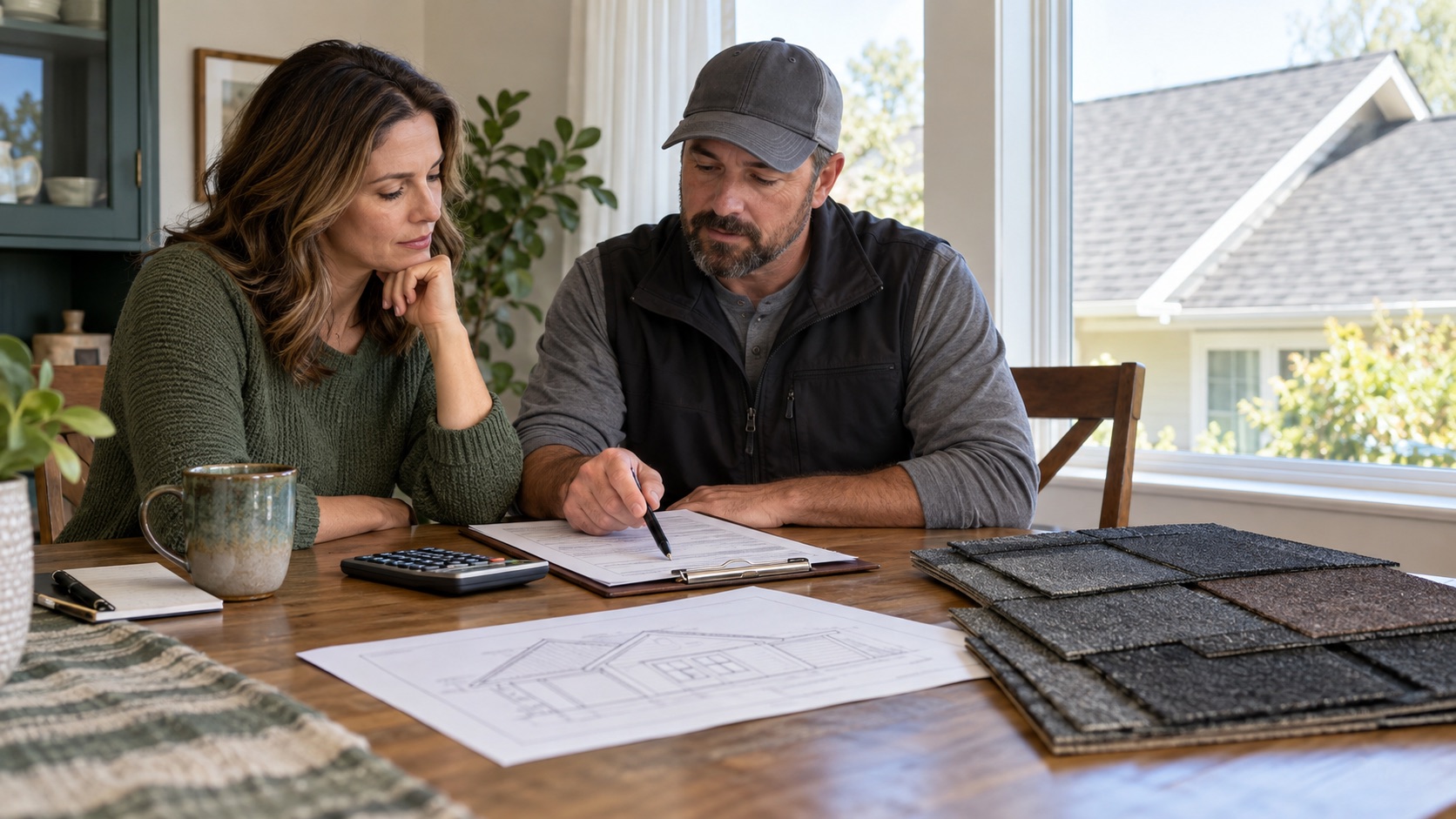
Let’s be honest, asking “how much does a new roof cost?” is a bit like asking “how much is a new truck?” The answer really depends. Are you looking for a basic, reliable workhorse, or a fully-loaded luxury model with all the bells and whistles?
A new roof works the same way. The final price tag can swing from $5,800 to $20,000 across the United States, with the national average sitting somewhere around $11,000. But that’s a huge range. Your home’s specific size, the materials you pick, and even our local Alabama labor rates will all play a major role.
Your Quick Guide to New Roof Costs

Our job here is to give you a realistic starting point. We’ll walk you through the numbers, from those broad national averages to what you can actually expect to invest right here in the Birmingham area.
From National Averages to Local Realities
In the roofing world, we often talk in terms of a "roofing square," which is just a 10-by-10-foot section (or 100 square feet) of your roof. For 2025, the cost to install a standard asphalt shingle roof can run anywhere from $4 to $13 per square foot. As you can see, that creates a wide budget spectrum depending on the size and complexity of your roof. You can dig deeper into these national roofing cost averages on RidgetopExteriors.com if you'd like.Key Takeaway: The best way to think about a roof replacement is as a custom project, not an off-the-shelf purchase. The price is built piece by piece, and your home's unique features are the biggest part of that puzzle.To put this into perspective, let's look at some real-world numbers for homes of different sizes. This table gives you a quick financial snapshot and will help set the stage before we break down all the specific factors that push these numbers up or down.
Estimated New Roof Cost by Home Size (Asphalt Shingles)
This table provides a quick look at typical cost ranges for a new asphalt shingle roof based on the square footage of the home.| Home Square Footage | Estimated Roof Size (sq ft) | Low-End Cost Estimate | High-End Cost Estimate |
|---|---|---|---|
| 1,500 sq ft | 1,600 - 1,800 sq ft | $7,200 | $14,400 |
| 2,000 sq ft | 2,100 - 2,300 sq ft | $9,200 | $18,400 |
| 2,500 sq ft | 2,600 - 2,800 sq ft | $11,200 | $22,400 |
| 3,000 sq ft | 3,100 - 3,300 sq ft | $13,200 | $26,400 |
The 7 Key Factors That Drive Your Roof Cost
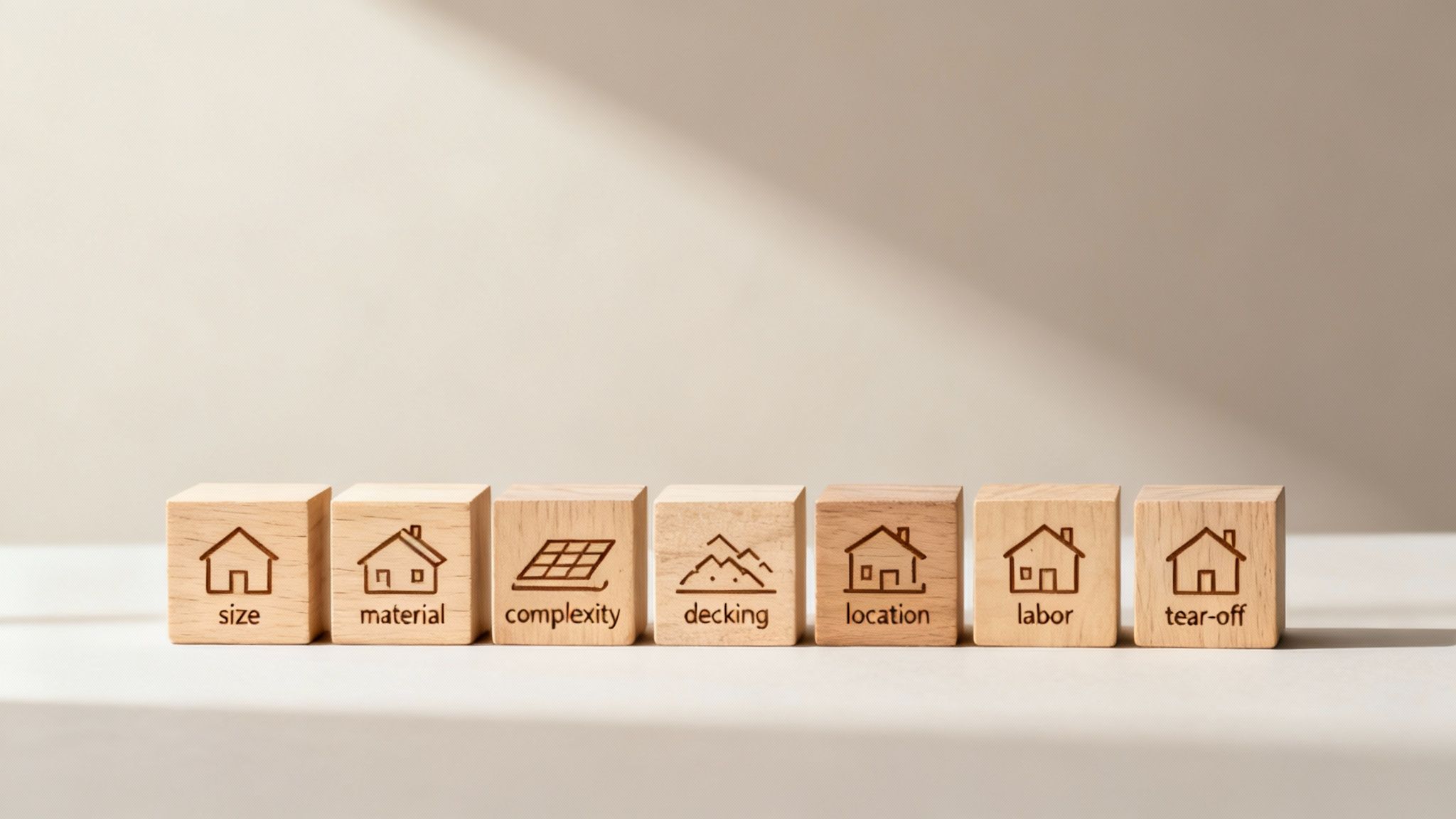
By understanding these moving parts, you can see exactly where your money is going and make smart choices that fit your budget and what you want for your home long-term. Let’s pull back the curtain and look at the seven biggest factors that shape the cost of a new roof.
1. Roof Size and Total Area
This one’s the most obvious starting point—a bigger roof needs more materials and more time, which costs more. We measure roofs in "squares," where one square is a 100-square-foot area.But here’s something most homeowners don’t realize: your roof’s total area is almost always larger than your home’s square footage. Why? Because we have to account for overhangs, eaves, and the roof’s slope. A 2,000-square-foot, single-story ranch house has a much smaller and less expensive roof than a 2,000-square-foot, two-story colonial with a steep pitch.
2. Roofing Material Selection
The material you pick is probably the single biggest decision you'll make. It affects everything from your home's curb appeal to how long the roof will last. It's the "engine" of your roofing system, and the price can vary wildly.- Asphalt Shingles: This is what you see on most homes in America. Asphalt shingles offer a great balance of affordability, performance, and style. They range from basic 3-tab shingles to tougher, more dimensional architectural shingles.
- Metal Roofing: It’s a bigger investment up front, no doubt. But a quality metal roof can last 50 years or more, stands up incredibly well to wind and hail, and can even help lower your energy bills.
- Premium Materials: If you're looking for a truly unique aesthetic and unmatched longevity, materials like slate or tile are top-of-the-line. They do, however, come with the highest price tag for both the materials and the specialized labor needed to install them correctly.
3. Roof Complexity and Pitch
Let's be clear: not all roofs are created equal. A simple, low-slope gable roof on a rectangular house is a straightforward job. A complex roof with multiple hips, valleys, dormers, and skylights? That's a different story entirely.Think of it like painting a room. An empty, square room is a breeze. But a room with built-in shelves, lots of windows, and detailed crown molding? That requires way more time, skill, and precision.
The steepness, or pitch, of your roof is another huge cost driver. A steeper roof is more dangerous and challenging to work on. It demands extra safety equipment and slows the whole process down, which means more labor hours.
4. The Cost of Labor
While materials are a big part of the ticket, they’re often not the largest slice of the pie. The expertise, time, and hard work of a professional installation crew make up the biggest part of your investment.In fact, labor typically accounts for about 60% of the total cost of a new roof. A steep pitch, a second or third story, or a complex design all increase the difficulty—and therefore, the labor cost. An average roof replacement might run around $9,500, but a more complex project or one using premium materials can easily climb past $30,000, with much of that increase coming from the added labor. To see a more detailed cost breakdown, you can check out this comprehensive guide to roof replacement.
5. Tearing Off vs. Layering Over
When it's time to replace an old asphalt shingle roof, you technically have two choices: a complete tear-off or a "roof-over" (installing new shingles on top of the old ones). While layering over might sound like a cheap shortcut, it's almost always a bad idea.A full tear-off is the only way for a roofer to properly inspect the structure underneath—the roof decking—for any rot, water damage, or other hidden problems. Simply covering up those issues is a recipe for much more expensive repairs down the road. Any reputable roofer, including us here at Higher Roof Solutions, will insist on a complete tear-off to ensure a quality job we can stand behind.
6. Condition of the Underlying Decking
The roof decking is the wooden foundation (usually plywood or OSB) that your shingles are nailed to. When we tear off the old roof, if we find that parts of the decking are soft, rotted, or water-damaged, they have to be replaced before the new roof goes on.This is a necessary but often unforeseen repair. The cost to replace bad decking isn’t usually included in the initial estimate because there’s no way to know the extent of the damage until the old roof is gone. It’s always a good idea to set aside a small contingency fund just in case.
7. Your Geographic Location
Finally, where you live matters. Labor rates, the cost and availability of materials, and even local building codes can be very different from one place to the next. A new roof in a major city with a high cost of living will naturally cost more than the exact same roof in a more rural area. For homeowners here in central Alabama, these local market factors play a direct role in the final price you'll see on an estimate.Comparing The Most Popular Roofing Materials
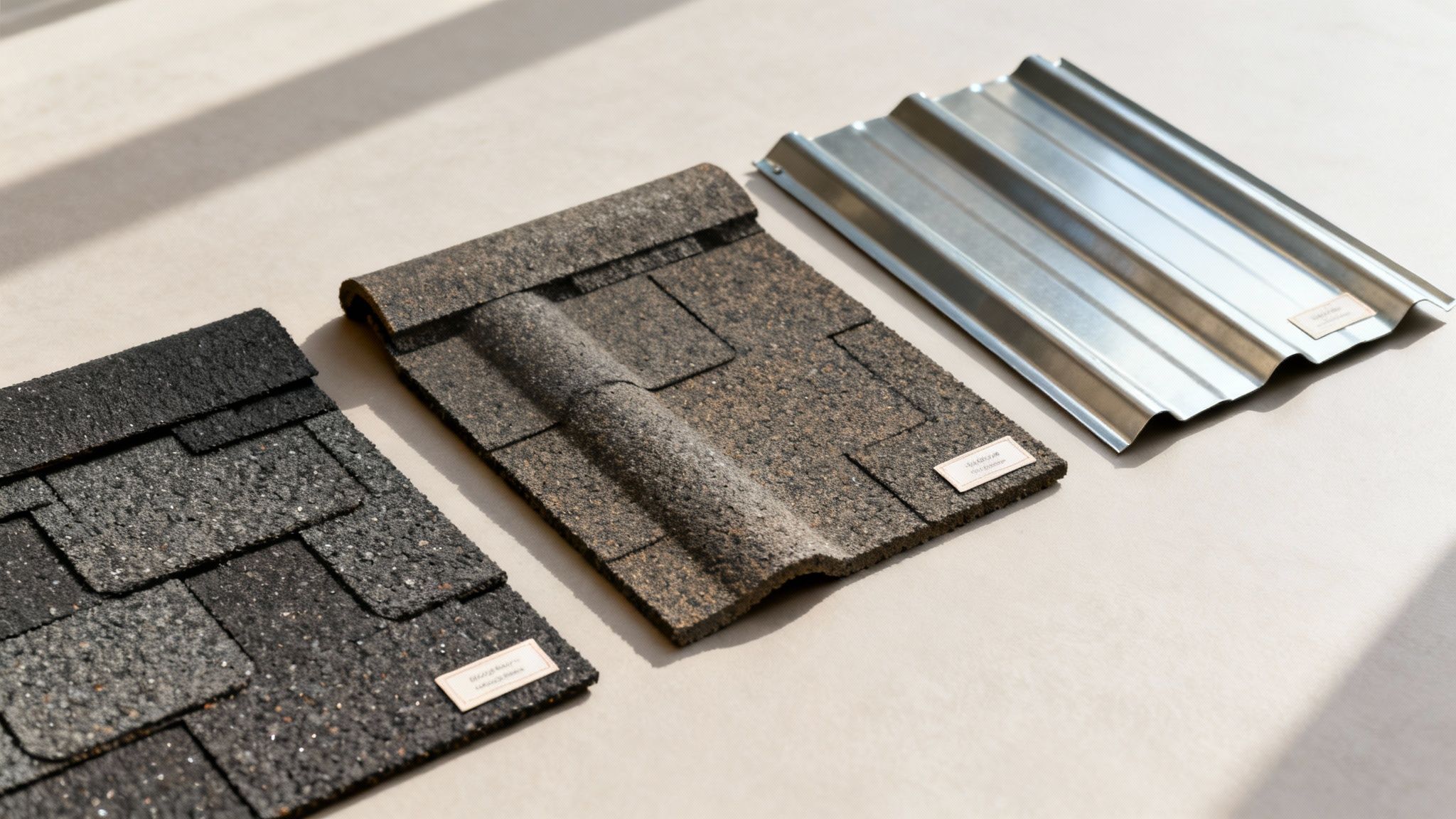
You’re really balancing today’s budget against tomorrow’s peace of mind. Let’s break down the most common options we install for homeowners right here in the Birmingham area so you can find that perfect sweet spot between looks, performance, and price.
Asphalt Shingles: The Popular Workhorse
There’s a reason asphalt shingles are the heavyweight champion of American roofing, covering about 80% of homes. It really boils down to a winning blend of affordability and solid, reliable performance. For most homeowners, they just make sense.You’ve got a couple of choices here. Three-tab shingles are the classic, no-frills option that gets the job done on a tight budget. But for a little more upfront, architectural shingles deliver a huge upgrade. They’re thicker, create a beautiful, dimensional look, and come with much better durability and warranties.
A smart roofer will almost always point you toward architectural shingles. They might cost a bit more than the basic three-tab style, but you're often getting a 30-year lifespan versus 20. That extra decade of protection, plus the massive boost in curb appeal, delivers a much better return on your investment.
Metal Roofing: The Lifetime Investment
Metal roofing isn't just for barns anymore. We’re seeing a huge surge in homeowners choosing metal, and for good reason. Yes, the initial ticket price is higher than shingles, but you're paying for permanence. A professionally installed metal roof can easily last 40 to 80 years. It could very well be the last roof you ever buy.But it’s not just about lifespan. Metal is a beast when it comes to performance. It sheds torrential Alabama rain with ease, stands up to high winds, and is fire-resistant. Plus, its reflective surface can actually help keep your attic cooler, which might just trim your energy bills during our brutal summers.
Roofing Material Comparison Guide
To really see how these materials impact your bottom line, it helps to put them side-by-side. The table below breaks down the key differences in cost, lifespan, and overall benefits for the most common choices. Getting a handle on the different types of shingles and materials is the first step to making a confident decision.| Material Type | Average Cost Per Square Foot (Installed) | Typical Lifespan | Pros | Cons |
|---|---|---|---|---|
| Asphalt Shingles | $4.25 – $8.25 | 20-30 years | Affordable, wide variety of colors, easy to install and repair. | Shorter lifespan than metal, vulnerable to high winds and hail. |
| Metal Roofing | $10.00 – $17.05 | 40-80 years | Extremely durable, long-lasting, energy-efficient, and low maintenance. | Higher upfront cost, can be dented by severe hail. |
| Clay/Concrete Tiles | $11.00 – $24.75 | 100+ years | Unmatched longevity, fireproof, classic aesthetic. | Very heavy (may require structural reinforcement), brittle, high cost. |
Understanding Roofing Costs in Central Alabama
Think of it this way: the price of gas isn’t the same from state to state, and roofing is no different. The cost of skilled labor in our area, the kinds of homes you see in our neighborhoods, and our wild Alabama weather all have a major say in your final estimate.
How Local Labor Affects Your Estimate
The biggest local factor by far is the cost of skilled, experienced labor. There's a nationwide shortage of top-tier roofing pros, and when you combine that with rising wages and critical safety standards, you find that true craftsmanship comes at a premium.This is exactly why those online cost calculators are often so misleading. They just can’t account for the reality of the labor market here on the ground in central Alabama.
On average, labor costs represent around 60% of the total price for a new roof. This really drives home why choosing an efficient, experienced local crew is so important—it’s the single largest chunk of your investment.Materials are the other half of the equation. Standard asphalt shingles might run between $0.70 to $2 per square foot for the materials themselves. But if you're looking at premium metal or tile options, that cost can jump to $10 to $40 per square foot once installation is factored in. You can dig deeper into these roofing replacement costs from industry analyses.
Common Home Styles and Roof Types in Alabama
From historic bungalows in Homewood to the big, modern homes out in Hoover, our area has a beautiful mix of architecture. Every single style comes with its own roofing challenges that directly impact the cost.- Ranch-Style Homes: These often have simpler, lower-pitched roofs, making them more straightforward and generally more cost-effective to replace.
- Two-Story Traditionals: You see a lot of these in places like Vestavia Hills. Their steeper pitches demand more complex safety equipment and staging, which adds to the labor time.
- Historic Properties: An older home might have a complicated roofline with multiple dormers and chimneys, all requiring custom flashing and incredibly detailed work. That meticulous effort naturally adds to the project cost.
Our Climate Considerations
Let's be honest—central Alabama's weather is a force to be reckoned with. We face blistering summer heat, thick humidity, and the ever-present threat of severe thunderstorms packing high winds and hail.These conditions aren’t just an inconvenience; they demand specific materials and installation methods. For example, shingles need to have excellent granule adhesion to fend off sun damage and powerful adhesive strips to keep from being lifted by high winds. Proper attic ventilation isn’t just a nice-to-have, either—it’s essential for fighting the heat and moisture that can cook your entire roofing system from the inside out.
A roofer who truly understands these local challenges will recommend the right products and techniques to make sure your roof can handle everything our climate throws at it. That’s specialized, local knowledge you just won’t get from a generic national chain. It’s precisely why a thorough, on-site inspection from a local expert like Higher Roof Solutions is the only way to get a truly accurate and reliable quote for your home.
How to Navigate Insurance and Financing for Your Roof
A new roof is a serious investment in your home’s safety and value, so that final number on an estimate can be a bit of a shock. But here’s the good news: you often don’t have to cover the entire cost out of pocket. Between insurance claims for storm damage and some really flexible financing options, there are clear paths to making your project affordable.It all comes down to understanding your options and having the right professional partner in your corner. Let’s walk through how insurance can step in after a storm and what financing looks like if you’re paying for the roof yourself.
Working with Insurance After Storm Damage
Here in Alabama, we know a thing or two about severe weather. High winds and hail are usually the main culprits behind a roof needing a replacement long before its time. If a storm has damaged your roof, your homeowner's insurance policy is your first line of defense. The trick is knowing how the process works and why having a roofer on your side is so critical.The very first step after a storm is to get a professional inspection. An experienced roofer can spot damage you’d never see from the ground, documenting every single issue with photos and detailed notes. This evidence is the foundation of your entire claim.
Pro Tip: Having a trusted roofer meet with your insurance adjuster can make a world of difference. We speak the same technical language as the adjuster, which means we can point out all the damage and make sure it’s properly accounted for. This helps you get the full, fair coverage you deserve.The process usually breaks down like this:
- Professional Inspection: We come out to identify and document all the storm-related damage.
- Filing the Claim: You give your insurance company a call to get the claim started.
- Adjuster Meeting: We meet your insurance adjuster on-site to walk the roof and review the damage together.
- Claim Approval: Once your claim is approved, your insurance provides the funds to cover the replacement, minus your deductible.
Finding the Right Financing Solution
But what if your roof replacement isn't covered by insurance? Maybe it’s just old and has reached the end of its life. This is where financing becomes an incredible tool, letting you protect your home now and pay for it over time with simple, predictable monthly payments.Many homeowners are genuinely surprised by how accessible modern financing can be. You aren’t just stuck with home equity loans or high-interest credit cards anymore. Today, reputable roofing companies offer financing solutions designed specifically for home improvement projects.
These options often come with competitive interest rates and a variety of term lengths, so you can find a plan that fits comfortably within your budget. It’s a smart way to handle the upfront cost without draining your savings, ensuring you don’t have to put off a necessary replacement and risk much more expensive water damage down the road.
At Higher Roof Solutions, we believe that figuring out how to pay for a new roof shouldn’t be a barrier to keeping your family safe. We provide clear, straightforward financing options to help. You can explore our guide on roof replacement loans to see just how a simple payment plan can turn a large, one-time expense into manageable monthly installments.
Getting a Reliable Roof Replacement Estimate
So, you’ve looked at the numbers, weighed the materials, and now you have a better idea of how local factors can shape the bottom line. The next logical step is moving from those ballpark figures to a firm, reliable number you can actually build a budget around. But answering “how much will my new roof cost?” isn’t something an online calculator can do—it takes an expert eye right there on your property.
The only way to get a truly accurate price is through a detailed, professional roof inspection. This is a whole lot more than just a quick glance from the street. It’s a complete assessment of your entire roofing system, designed to catch any hidden issues and map out a plan for a perfect installation.
Think of it like this: an online cost calculator is a WebMD symptom checker, but our inspection is a full diagnostic from your doctor.
What Our No-Obligation Inspection Involves
A trustworthy estimate is built on hard data, not guesswork. Our process is completely transparent because we want you to feel confident moving forward, with no stone left unturned.Here’s what our inspection covers:
- Precise Measurements: We get up there and take exact measurements of every single roof plane, hip, ridge, and valley. This lets us calculate the precise amount of materials needed, with no waste.
- Decking Assessment: We walk the roof to identify any soft or rotted spots in the underlying wood decking that could jeopardize the integrity of your brand-new roof.
- Component Check: We take a close look at the flashing, pipe boots, and ventilation systems to make sure every part of the system is ready to work together flawlessly.
- Damage Documentation: We photograph and document any storm damage we find, which gives you critical evidence if you end up needing to file an insurance claim.
We believe an informed homeowner is a confident one. Our goal is to hand you a clear, detailed estimate that explains every single line item. You’ll know exactly where your investment is going and why each step is necessary.Choosing the right partner for your roof replacement is just as critical as the shingles you pick out. To help you feel completely confident in your decision, we've put together a guide on how to choose a roofing contractor that walks you through what to look for.
After our thorough inspection, you’ll get a firm, accurate price tailored specifically to your home. No hidden fees, no surprise charges. The next step toward securing your home’s future is simple and comes with absolutely zero obligation. Schedule your free inspection with Higher Roof Solutions today to get the real numbers you need.
How to Spot a Roofing Quote That Is Too Good to Be True
A lower price is not automatically a warning sign, but a quote far below the others deserves a closer look. Compare what each contractor includes before comparing the final number.
Compare the Scope, Not Just the Bottom Line
| Detail | A Complete Estimate Should Explain |
|---|---|
| Old roof removal | How many existing layers will be removed and how the roof deck will be inspected. |
| Flashing | Whether flashing around walls, chimneys, and penetrations will be replaced or reused. |
| Ventilation | How intake and exhaust ventilation will be evaluated as part of the roof system. |
| Materials | The manufacturer, product line, underlayment, and accessory materials included. |
| Cleanup and disposal | Who handles debris, magnetic nail cleanup, and disposal fees. |
| Warranty terms | What the material and workmanship warranties cover, who provides them, and how long they apply. |
Watch for Pressure and Missing Details
Be cautious when a contractor requires an immediate decision, asks for a large payment before materials or work begin, cannot provide current insurance documentation, or gives you a one-line estimate without a defined scope. A reliable estimate should give you enough detail and time to make an informed comparison.
Still Have Questions About Roof Costs?
Even after breaking down all the numbers, it's completely normal to have a few more questions rattling around. These are often the little details that make a big difference when you're making a final decision. To make sure you feel 100% confident moving forward, we've answered the most common questions we hear from homeowners right here in the Birmingham area.Think of this as the final piece of the puzzle, clearing up any last bit of uncertainty you might have about your new roof.
Can I Save Money by Putting New Shingles Over Old Ones?
It might seem like a clever way to cut costs, but doing a "roof-over" is almost always a bad move. For one, you're piling a massive amount of extra weight onto your home's structure—weight it probably wasn't designed to support.But the bigger issue is what you can’t see. A roof-over completely hides the real condition of the wood decking underneath. Any rot, water damage, or soft spots are just covered up, creating a ticking time bomb for far more serious (and expensive) repairs down the road. A complete tear-off is the only professional way to guarantee a solid foundation for your new roof, and it’s what manufacturers require to keep your warranty valid.
How Long Does a Typical Roof Replacement Take?
For an average-sized home here in central Alabama, our crew can usually get a full asphalt shingle roof replacement done in just one to three days. We work hard to minimize the disruption to your life.A few things can stretch that timeline a bit:
- Weather: An unexpected thunderstorm or high winds will pause the work for everyone's safety.
- A Complicated Roof: A steep pitch, lots of angles, or multiple dormers naturally take more time to get just right.
- Surprise Damage: If we pull off the old shingles and find significant rot in the decking, we'll need extra time to replace those boards properly.
Will a New Roof Increase My Home's Value?
Absolutely. A new roof is one of the smartest investments you can make in your property. In fact, industry reports show that homeowners can often recoup over 60% of the project's cost just from the bump in their home's market value.A brand-new roof is a huge selling point. It gives potential buyers immediate peace of mind, telling them the home is well-cared-for and protected from the elements. It’s a massive boost to curb appeal and makes your house stand out on the market.At the end of the day, a new roof isn't just another bill to pay. It's a direct investment in your home's security, its beauty, and its long-term financial worth.
Ready to get a firm, reliable price for your roofing project? The team at Higher Roof Solutions is here to provide a detailed, no-obligation inspection and a transparent estimate tailored to your home’s specific needs. Schedule your free inspection today!